Expert Transmission Repairs: Restore Your Vehicle's Performance
- Anthony Myers
- Jun 25
- 4 min read

When it comes to vehicle maintenance, few components are as crucial as the transmission. A well-functioning transmission ensures that your vehicle operates smoothly and efficiently. However, when issues arise, it can lead to significant performance problems and costly repairs. This blog post will explore the importance of expert transmission repairs, how to identify transmission issues, and the steps you can take to restore your vehicle's performance.
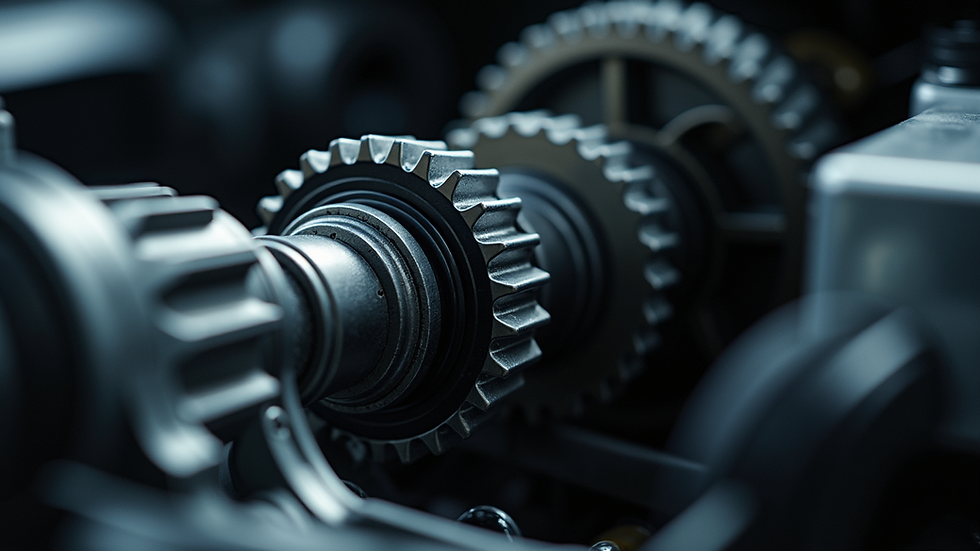
Understanding the Transmission System
The transmission is a complex system that transfers power from the engine to the wheels. It plays a vital role in controlling the speed and torque of your vehicle. There are two main types of transmissions: automatic and manual.
Automatic Transmissions
Automatic transmissions use a complex system of gears and hydraulic systems to shift gears automatically based on speed and engine load. They are designed for ease of use, allowing drivers to focus on the road without worrying about shifting gears.
Manual Transmissions
Manual transmissions require the driver to shift gears manually using a clutch pedal and gear stick. While they offer more control over the vehicle's performance, they also require more skill and attention from the driver.
Common Transmission Problems
Understanding common transmission problems can help you identify issues early and seek expert repairs before they escalate. Here are some of the most frequent transmission issues:
Slipping Gears
If your vehicle unexpectedly changes gears or slips out of gear while driving, it may indicate a problem with the transmission. This can be caused by low transmission fluid levels, worn-out gears, or a malfunctioning transmission control module.
Delayed Engagement
Experiencing a delay when shifting from park to drive or reverse can be a sign of transmission trouble. This issue may stem from low fluid levels, a faulty solenoid, or internal wear and tear.
Fluid Leaks
Transmission fluid is vital for the proper functioning of your transmission. If you notice red or brown fluid pooling under your vehicle, it could indicate a leak. Addressing fluid leaks promptly is essential to prevent further damage.
Unusual Noises
Strange noises, such as grinding, clunking, or whining, can signal transmission problems. These sounds may indicate worn gears, low fluid levels, or other internal issues that require immediate attention.
The Importance of Expert Repairs
When faced with transmission issues, seeking expert repairs is crucial for several reasons:
Knowledge and Experience
Transmission specialists have the training and experience to diagnose and repair transmission problems accurately. They understand the intricacies of various transmission systems and can identify issues that may be overlooked by general mechanics.
Quality Parts and Tools
Expert transmission repair shops use high-quality parts and specialized tools designed for transmission work. This ensures that repairs are done correctly and that your vehicle will perform optimally after the repair.
Warranty and Guarantees
Many reputable transmission repair shops offer warranties on their work. This means that if the same issue arises after the repair, you can return for further assistance without incurring additional costs.
Steps to Take for Transmission Repairs
If you suspect your vehicle has transmission issues, follow these steps to ensure you receive the best possible repairs:
1. Identify Symptoms
Pay attention to any symptoms your vehicle is exhibiting. Note when they occur and any changes in performance. This information will be valuable when discussing the issue with a mechanic.
2. Check Fluid Levels
Before seeking repairs, check your transmission fluid levels. Low fluid can cause many transmission problems. If the fluid is low, top it off and monitor for leaks.
3. Research Repair Shops
Look for reputable transmission repair shops in your area. Read reviews, ask for recommendations, and check for certifications. A well-reviewed shop is more likely to provide quality service.
4. Schedule an Inspection
Once you’ve identified a potential repair shop, schedule an inspection. A qualified technician will assess your vehicle and provide a detailed diagnosis of any issues.
5. Discuss Repair Options
After the inspection, the technician will explain the necessary repairs and provide an estimate. Discuss your options and ask questions to ensure you understand the process.
6. Authorize Repairs
If you agree with the diagnosis and estimate, authorize the repairs. Ensure that you receive a detailed invoice outlining the work performed and any parts replaced.
Preventative Maintenance Tips
To avoid costly transmission repairs in the future, consider these preventative maintenance tips:
Regular Fluid Changes
Changing your transmission fluid regularly can help prevent buildup and contamination. Follow your vehicle manufacturer’s recommendations for fluid change intervals.
Monitor Fluid Levels
Check your transmission fluid levels regularly, especially if you notice any symptoms of transmission issues. Keeping fluid levels topped off can help maintain optimal performance.
Avoid Overloading
Excessive weight can strain your transmission. Avoid overloading your vehicle with heavy cargo, and be mindful of towing limits.
Drive Smoothly
Aggressive driving can put unnecessary stress on your transmission. Practice smooth acceleration and braking to extend the life of your transmission.
Conclusion
Expert transmission repairs are essential for maintaining your vehicle's performance and longevity. By understanding common transmission problems and seeking professional help when needed, you can ensure your vehicle runs smoothly for years to come. Remember to stay proactive with preventative maintenance to avoid costly repairs in the future. If you suspect any issues with your transmission, don’t hesitate to reach out to a qualified technician for assistance. Your vehicle deserves the best care to keep it performing at its peak.


Comments